Fox Wild: A Playful Display Font for Web Designers
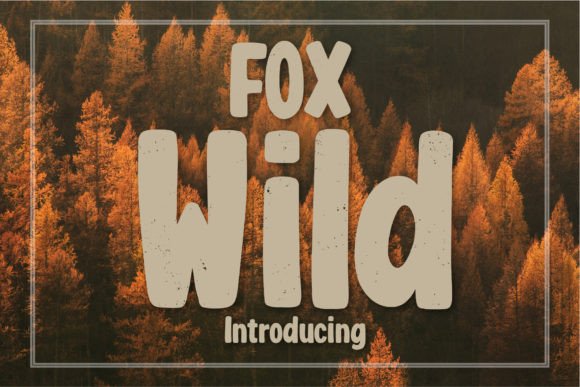
As a web designer, choosing the right typeface for headers and hero sections often sets the tone for the entire user experience. Fox Wild is a lively and playful display font that brings a sense of cheer and originality to digital projects, making it a strong candidate for designers who want to inject personality into their layouts without sacrificing readability. This display font features bold character shapes and a fun, energetic style that works particularly well when you need to capture attention quickly and hold it long enough to guide visitors toward a conversion goal. Whether you are building a landing page, an online store, or a creative portfolio, Fox Wild offers a distinctive voice that can elevate your brand identity and help your content stand out in a crowded digital landscape.
Fox Wild for Website Headers and Hero Section Typography
When visitors land on a website, the header and hero section are the first elements they scan. Fox Wild works effectively in these high-visibility areas because its bold and playful design immediately communicates a brand's energetic and approachable personality. As a display font, it is best used for short, impactful headlines rather than long paragraphs, making it ideal for taglines, brand names, or key value propositions placed prominently at the top of a page. In my own web design projects, I have found that using Fox Wild for hero headings creates a strong focal point that naturally draws the eye, especially when paired with a clean sans serif font for body copy. The contrast between a decorative display font and a minimal supporting typeface helps establish clear visual hierarchy, which is essential for guiding users through the rest of the layout. For example, on a coaching website targeting creative entrepreneurs, a hero headline set in Fox Wild can communicate both professionalism and a sense of fun, making the brand feel more relatable and memorable.
Fox Wild for Landing Page Call-to-Action Elements
Call-to-action buttons and short promotional phrases benefit from typography that is both readable and distinctive. Fox Wild can be used for CTA text in specific cases where the button size is large enough to preserve legibility, such as on hero banners or featured offer sections. Because this display font features bold strokes and a lively character, it works well for short action words like "Join," "Shop," or "Start" when placed in a generous container with adequate padding. However, for smaller buttons or mobile views, I recommend reserving Fox Wild for the headline or supporting text and using a simpler sans serif for the actual button label to ensure touch-target readability. In conversion-focused layouts, the font's cheerful personality can also be used for benefit-driven phrases or discount callouts, helping to create a sense of urgency without feeling aggressive. For instance, on a product landing page for a digital course, a headline like "Unlock Your Creative Potential" set in Fox Wild can evoke excitement, while the accompanying CTA button remains clean and unobtrusive.
Fox Wild for Online Store Banners and Product Page Titles
E-commerce websites rely on clear, engaging typography to showcase products and drive sales. Fox Wild can be used effectively in online store banners, promotional sliders, and product category titles where a touch of personality helps differentiate the brand. As a display font, it is well-suited for sale announcements, seasonal campaigns, or limited-edition product launches that need to grab attention quickly. On product detail pages, using Fox Wild for the product title can create a memorable brand experience, especially for boutiques or stores that sell creative goods, handmade items, or lifestyle products. In my experience, pairing Fox Wild with a neutral sans serif for product descriptions and pricing ensures that the decorative elements do not overwhelm the practical information shoppers need to make a purchase decision. The key is to use the font strategically for emphasis rather than overloading the page with too many stylized elements. For a boutique clothing store, for example, a banner reading "Summer Collection Now Live" in Fox Wild sets an inviting tone, while the product grid below remains clean and scannable.
How Fox Wild Establishes Brand Tone for Digital Platforms
Consistency in typography across digital platforms is critical for building brand recognition. Fox Wild can serve as the cornerstone of a brand's visual identity when used consistently for headlines, logos, and accent text on websites, social media graphics, email headers, and digital ads. The font's playful and cheerful character makes it particularly effective for brands targeting younger audiences, creative professionals, or lifestyle consumers who value originality and self-expression. However, it is important to consider the overall brand personality before committing to this display font. Fox Wild works best for brands that want to project energy, approachability, and a sense of fun rather than strict formality or corporate seriousness. In digital brand kits, I often recommend using Fox Wild as the hero typeface for primary messaging and pairing it with a more restrained font for body copy and secondary information. This approach ensures that the brand's voice remains consistent while still being versatile enough to adapt across different platforms and content types.
Fox Wild for Creative Portfolio Sites and Agency Landing Pages
Portfolio websites and agency landing pages are spaces where design choices directly reflect the creator's skill and aesthetic sensibility. Fox Wild can be a powerful tool for freelancers, design studios, and creative agencies looking to showcase their personality through typography. Using Fox Wild for section headers, project titles, or navigation accents can give a portfolio a cohesive and intentional feel. Because the font is bold and distinctive, it works well as a signature element that visitors will associate with the brand. In my work with creative professionals, I have used Fox Wild in portfolio sites to highlight case study titles and call out key achievements, creating a visual rhythm that makes the content more engaging to scan. The font's playful nature also helps soften the often-serious tone of project showcases, making the work feel more accessible to potential clients. For a graphic design portfolio, pairing Fox Wild with a clean sans serif for project descriptions allows the work itself to remain the focus while the typography adds a layer of brand personality.
Fox Wild on Mobile Screens: Readability and Responsive Considerations
Mobile-first design requires fonts that scale well and remain legible across various screen sizes. Fox Wild, as a bold display font, performs best at larger sizes, so it is important to test its appearance on smaller screens before finalizing a layout. For mobile hero sections, I recommend using Fox Wild at sizes above 24px to maintain clarity, and avoiding its use for body text or small labels where detail may be lost. On responsive layouts, the font's thick strokes help it stand out against both light and dark backgrounds, making it a versatile choice for image overlays and colored sections. However, when placing Fox Wild over photographs or busy textures, adding a subtle shadow or backdrop can improve contrast and ensure the text remains readable. For designers working with variable viewports, using CSS media queries to adjust the font size and line height for different breakpoints will help preserve the intended visual impact without compromising usability. Testing Fox Wild in actual device previews is always a good practice before publishing.
Pairing Fox Wild with Minimal Sans Serif Fonts for Web Layouts
Effective typography in web design often relies on contrast between decorative and functional typefaces. Fox Wild pairs well with minimal sans serif fonts that provide a clean counterpoint to its playful personality. For body copy, I typically recommend a neutral sans serif like Open Sans, Lato, or Montserrat, as these fonts offer strong readability at smaller sizes and do not compete with Fox Wild's bold character. For headings and subheadings, using Fox Wild for the primary headline and a lighter weight of the sans serif for secondary text creates a clear hierarchy that guides the reader's eye. In editorial-style layouts, a serif font can also be an interesting partner for Fox Wild, lending a more sophisticated and timeless feel to the overall design. The key is to maintain sufficient contrast in weight and style so that each typeface has a distinct role. For a digital magazine or blog, using Fox Wild for article titles and a serif like Merriweather for the body can produce an engaging and readable experience.
Commercial Font Licensing for Fox Wild in Web and Client Projects
When incorporating Fox Wild into commercial projects, understanding the licensing terms is essential for staying compliant and protecting your work. This display font is covered by standard font licensing, which typically covers use in digital designs such as websites, landing pages, and online stores, as well as in client projects and brand assets. For web designers, confirming that the license includes webfont embedding is important so that the font can be loaded directly on a website via CSS. Some licenses may also cover use in logo design, social media graphics, and digital templates, but it is always wise to check the specific terms for Fox Wild before deploying it in a commercial context. If you are using the font for a client project, make sure the client has the appropriate license for their own use after the project is delivered. Investing in proper licensing not only supports the font creator but also ensures that your digital designs remain legally sound and professionally executed.